

Discover Rajaji
Spanning across the Shivalik ranges of Uttarakhand, Rajaji National Park is a pristine riverine wilderness where rugged hills meet dense moist-deciduous forests. While historically celebrated for its wild elephant herds, the reserve's dramatic terrain of rocky ridges, riverine thickets, and deep ravines makes it an absolute sanctuary for leopards. It offers an intimate safari experience where these secretive big cats thrive, hunting along dry riverbeds and navigating ancient sal forest canopies
Why Rajaji?
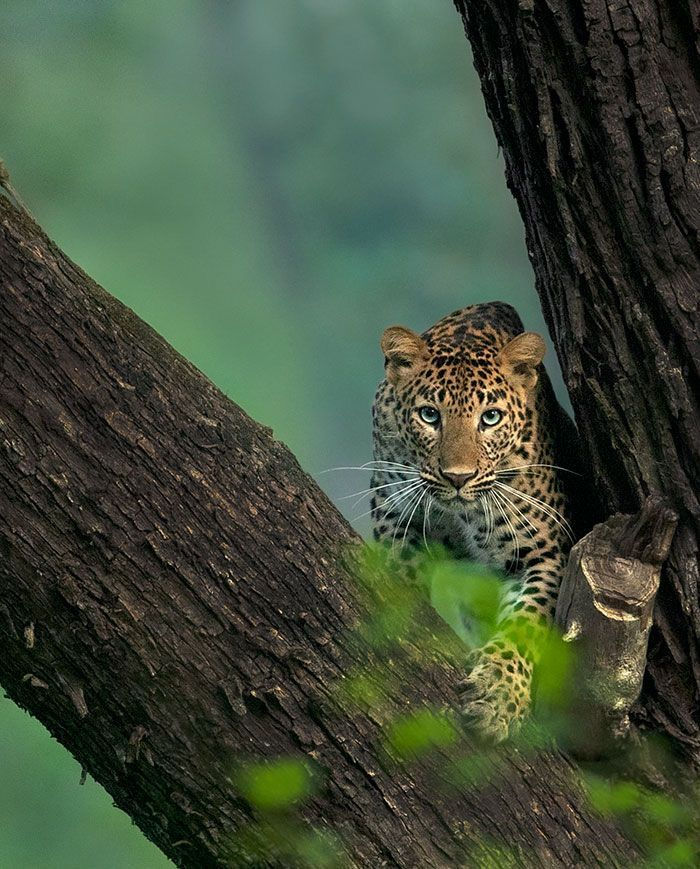
India’s Premier Leopard Stronghold
With one of the highest leopard population densities in northern India, Rajaji provides unmatched opportunities to observe leopards in their natural hill and riverine habitat

Master of the Shivalik Terrain
The park's unique topography of rocky escarpments, steep ravines (rau),and dense forest margins offers
ideal camouflage and
hunting grounds
for these agile big cats.

Elephant Haven of Northern India
Alongside its booming leopard population, Rajaji hosts massive wild Asian Elephant herds, making riverbank and dry riverbed sightings exceptionally
freque

A Photographer's Wilderness
The combination of wildlife, varied terrain and changing
light makes Bandhavgarh particularly appealing to
wildlife and nature
photographers.
Wildlife of Rajaji
Mammals
Tiger,Leopard,Dhole / Wild Dog,Sloth Bear,Gaur,Chital,Sambar,Wild Boar,Nilgai,Indian Wolf
Birdlife
Rajaji supports a rich bird community, with over 300 species recorded in the reserve's official information, including the Great Pied Hornbill, Crested Kingfisher, Pallas’s Fish Eagle, Kalij Pheasant, and various migratory waterfo
Flora
Dense Sal (Shorea robusta) forests dominate the canopy, intermingled with Khair, Shisham, Sain, Rohini, and open riverine grasslands along the riverbeds.
Explore Rajaji Packages
THE RAJAJI EXPERIENCE
More Than a Safari
Rajaji is about more than searching for a big cat. It is the anticipation of entering the forest at first light, following tracks and calls, watching the landscape come alive and experiencing wildlife in its natural surroundings.
Every safari is different. Some bring unforgettable wildlife encounters; others reward patience with smaller discoveries, striking landscapes and moments that could never be planned.




When to
Visit Rajaji
Winter & Early Summer
November – February
Pleasant safari conditions with crisp mornings and cool evenings. Excellent foliage visibility and high birding activity along the riverine areas.
Warmer Months
March – June
Warmer conditions and drying vegetation draw leopards and elephant herds out toward remaining waterholes and riverbanks, significantly increasing sighting frequencies.
Things to Know
Before Your
Safari
Leopard-Favored Zones
Safaris operate out of key entry gates—Chilla (the famous riverine zone) and Motichur, alongside Jhibarheri and Ranipur, which offer dense forest cover favored by leopards.
Strict Monsoon Closure
The entire national park closes annually from June 15th to November 15th due to severe monsoon rains and river overflow across forest tracks.
Close Proximity to Pilgrim Towns
Located near Haridwar, Rishikesh, and Dehradun, weekend traffic can spike significantly; advance permit arrangements are recommended for peak days.