
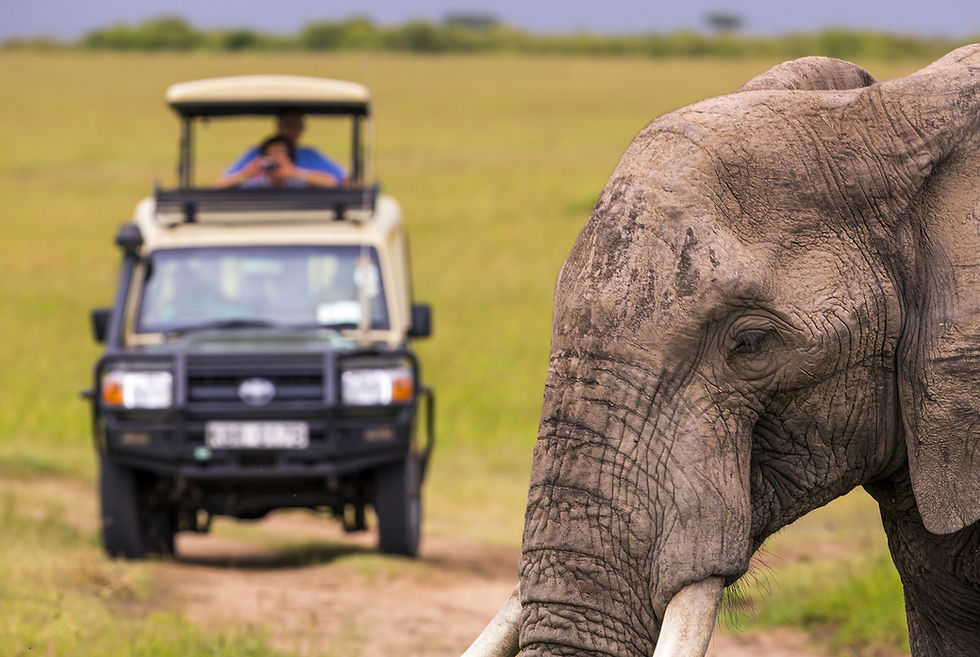
Discover Maasai Mara
Located in southwestern Kenya, Maasai Mara National ReserveClick to open side panel for more information is one of Africa's most famous wildlife destinations. Its vast landscape of open savanna, rolling grasslands, acacia woodlands, and riverine forests supports an extraordinary diversity and density of wildlife.
The reserve is world-renowned for hosting the Great Migration and its legendary predator populations, while its plains also shelter large herds of elephants, giraffes, zebras, buffaloes, and a remarkable variety of birdlife. For wildlife enthusiasts and photographers, Maasai Mara offers an immersive safari experience in one of the world's most iconic natural wonderlands.
Why Maasai Mara?
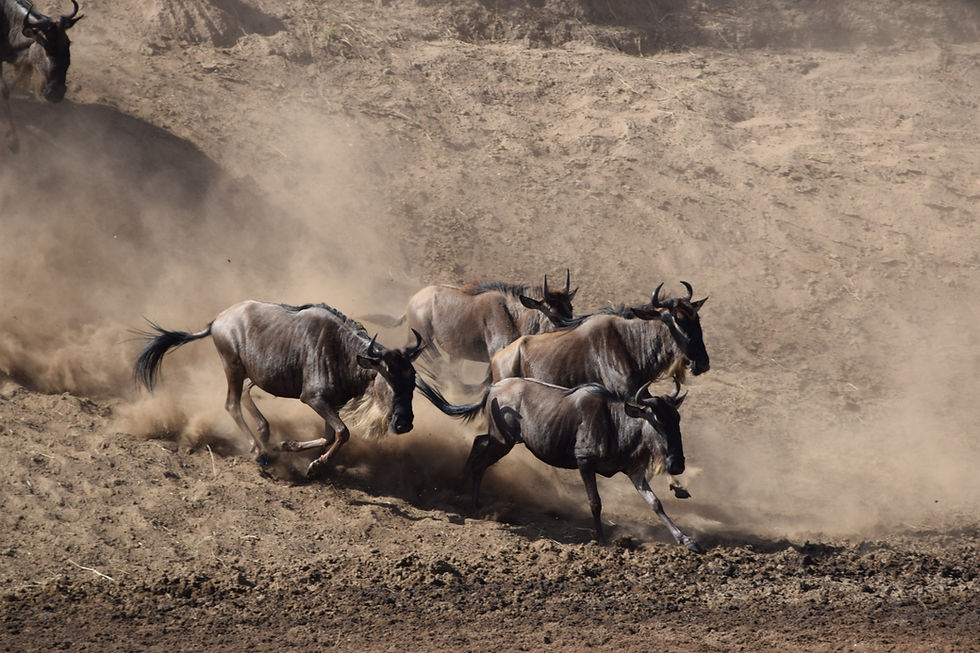
The Great Migration
Maasai Mara hosts one of nature’s grandest spectacles, where over a million wildebeest, zebras, and gazelles traverse the Mara River, offering unmatched opportunities for world-class wildlife action.

High Predator Density
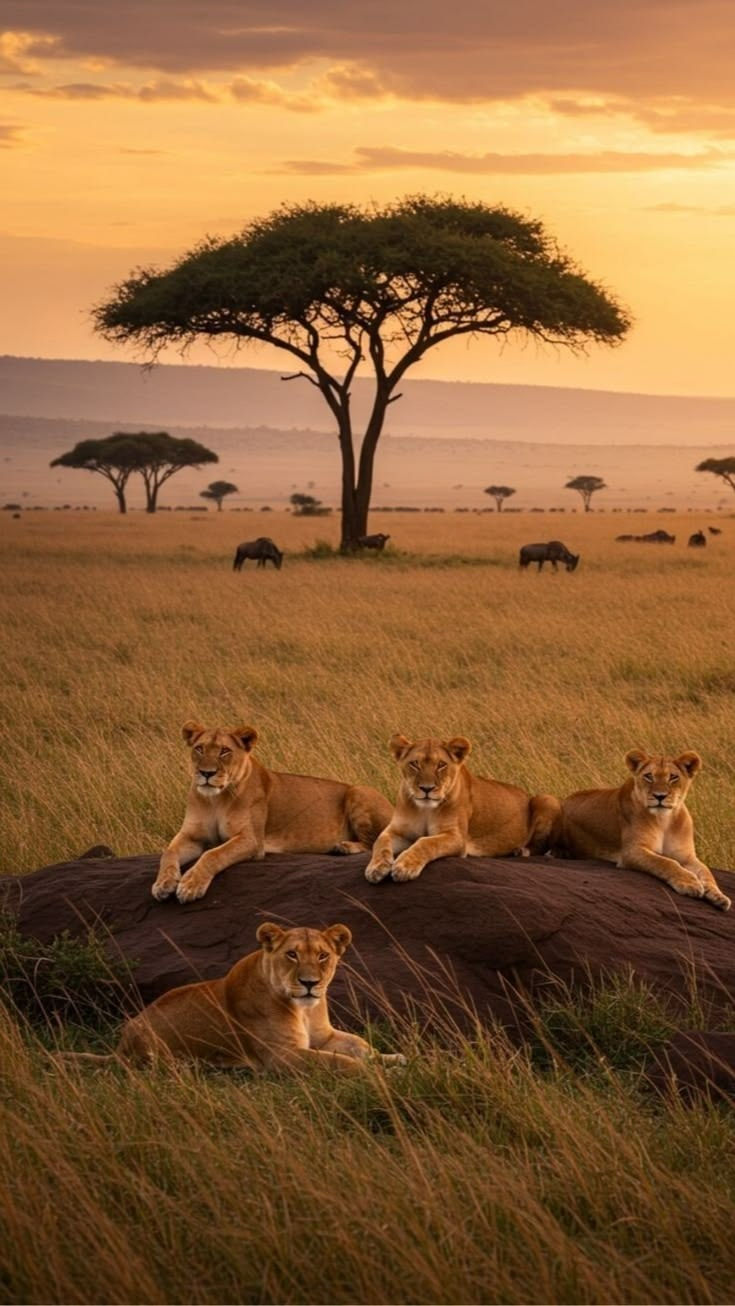
Famous for its abundant lion prides, cheetahs, and leopards, Maasai Mara boasts one of Africa's highest concentrations of big cats, making it a premier destination for big cat tracking.

Home of the Big Five
The reserve provides a refuge for the classic Big Five—lion, leopard, elephant, buffalo, and rhinoceros—offering a quintessential East African safari experience in a single ecosystem.
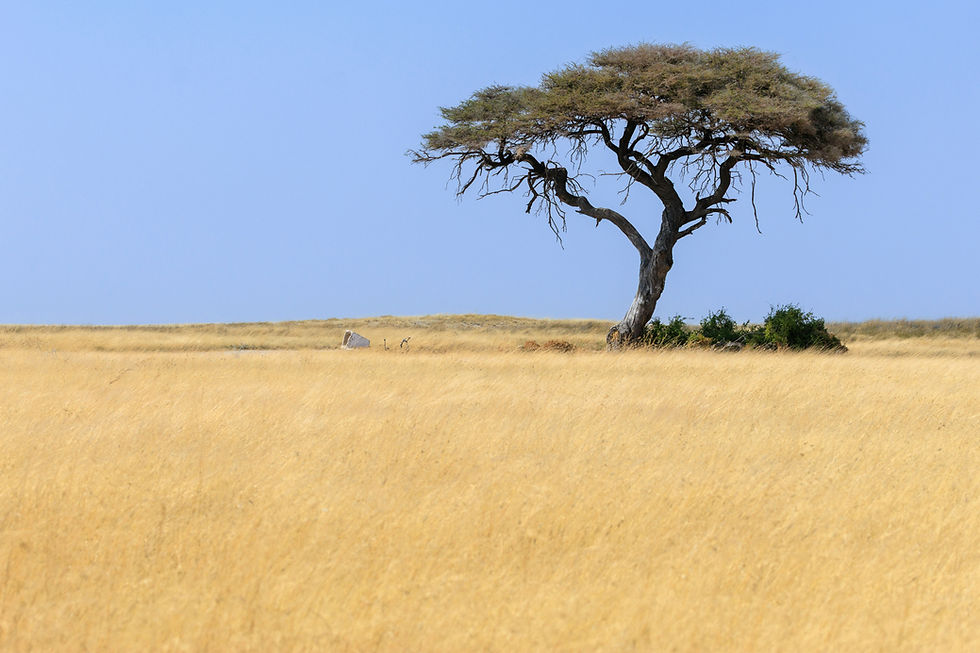
Vast & Diverse Terrain
Spanning endless golden savannas, riverine thickets, and acacia-dotted plains, the reserve's open landscape provides habitats for hippos, crocodiles, hyenas, topis, and over 470 bird species.
Wildlife of Masai Mara
Mammals
Lion, Leopard, Cheetah, African Elephant, Black Rhino, African Buffalo, Wildebeest, Zebra, Giraffe, Hippopotamus, Spotted Hyena, Topi
Birdlife
Masai Mara supports a rich bird community, with over 450 species recorded in the reserve's official information, including martial eagles, lilac-breasted rollers, and secretary birds.
Flora
Open savannah grasslands and scattered acacia trees dominate much of Masai Mara, with a diverse plant community supporting the reserve's varied wildlife habitats.
Explore Masai Mara Package
Explore Masai Mara Package
THE MASAI MARA EXPERIENCE
More Than a Safari
Masai Mara is about more than searching for a big cat. It is the anticipation of entering the reserve at first light, following tracks and calls, watching the landscape come alive and experiencing wildlife in its natural surroundings.
Every safari is different. Some bring unforgettable wildlife encounters; others reward patience with smaller discoveries, striking landscapes and moments that could never be planned.


When to Visit
Masai Mara
Peak Migration & Cooler Months
July – October
Pleasant safari conditions with cooler mornings and evenings. The landscape hosts the Great Migration, offering dramatic river crossings and peak predator action.
Warmer & Quieter Months
November – June
Warmer conditions and green landscapes post-rains bring lush scenery, migratory birds, and excellent resident wildlife viewing with fewer vehicles.
Key Things to
Remember for
Masai Mara
-
eTA & Yellow Fever
Obtain your Kenya eTA before travel, and carry a Yellow Fever vaccination certificate (plus malaria prophylaxis).
-
Soft Luggage & Dust Covers
Pack in soft duffel bags for bush flights (15 kg limit) and bring protective covers for camera gear against fine dust.
-
Neutral Colors Only
Wear khaki or beige; avoid dark blue/black (attracts tsetse flies) and camouflage (restricted for civilians).
-
Strict Reserve Rules
Off-roading and night safaris are prohibited within the main reserve to protect the grassland and nocturnal wildlife.