

Discover Kabini
Located along the banks of the Kabini River on the edge of Nagarahole Tiger Reserve, Kabini National ParkClick to open side panel for more information is one of South India's most celebrated wildlife havens. Its landscape of lush teak woodlands, bamboo thickets, sweeping backwaters, and dense moist deciduous forest supports a remarkable concentration of megafauna.
The reserve is globally renowned for its extraordinary big cat sightings, particularly leopards and elusive black panthers, alongside the world's largest congregation of wild Asian elephants. For wildlife enthusiasts and photographers, Kabini offers an immersive safari experience combining land tracks and boat cruises across one of Western Ghats' most iconic wildernesses.
Why Kabini?

Kingdom of Leopards & Big Cats
Kabini is world-famous for having one of the highest densities of leopards in Asia, offering premier opportunities to spot big cats traversing the forest roads
and lounging high in the
canopy.

The Great Elephant Congregation
During the dry months, the receding waters of the Kabini Reservoir draw hundreds of wild Asian elephants to its fertile banks, creating one of the largest natural gatherings of wild elephants in the world.

Dual Land & Water Safaris
Kabini offers a unique safari experience combining traditional Jeep forest drives with scenic boat safaris along the river, allowing close encounters with marsh crocodiles, smooth-coated otters, and drinking herds.

Vast & Diverse
Terrain
Spanning rich teak groves, dense bamboo clumps, and vast river backwaters, the habitat provides sanctuary for Royal Bengal tigers, sloth bears, gaurs, dholes (Indian wild dogs), and over 300 bird species.
Wildlife of Kabini
Mammals
Leopard (including Black Panther), Tiger, Asian Elephant, Dhole / Wild Dog, Sloth Bear, Gaur (Indian Bison), Sambar, Chital (Spotted Deer), Wild Boar, Bonnet Macaque, Hanuman Langur
Birdlife
Kabini supports a rich bird community, with over 250 to 300 species recorded in the reserve's official information, including the Malabar trogon, grey-headed fish eagle, crest hawk-eagle, Indian paradise flycatcher, and painted stork.
Flora
Moist deciduous teak forests, rosewood, silver oak, bamboo thickets, and expansive riverine backwaters dominate much of Kabini, supporting the reserve's varied wildlife habitats.
Explore Kabini Packages

THE KABINI EXPERIENCE
More Than a Safari
Kabini is about more than searching for a tiger. It is the anticipation of entering the forest at first light, following tracks and calls, watching the landscape come alive and experiencing wildlife in its natural surroundings.
Every safari is different. Some bring unforgettable wildlife encounters; others reward patience with smaller discoveries, striking landscapes and moments that could never be planned.
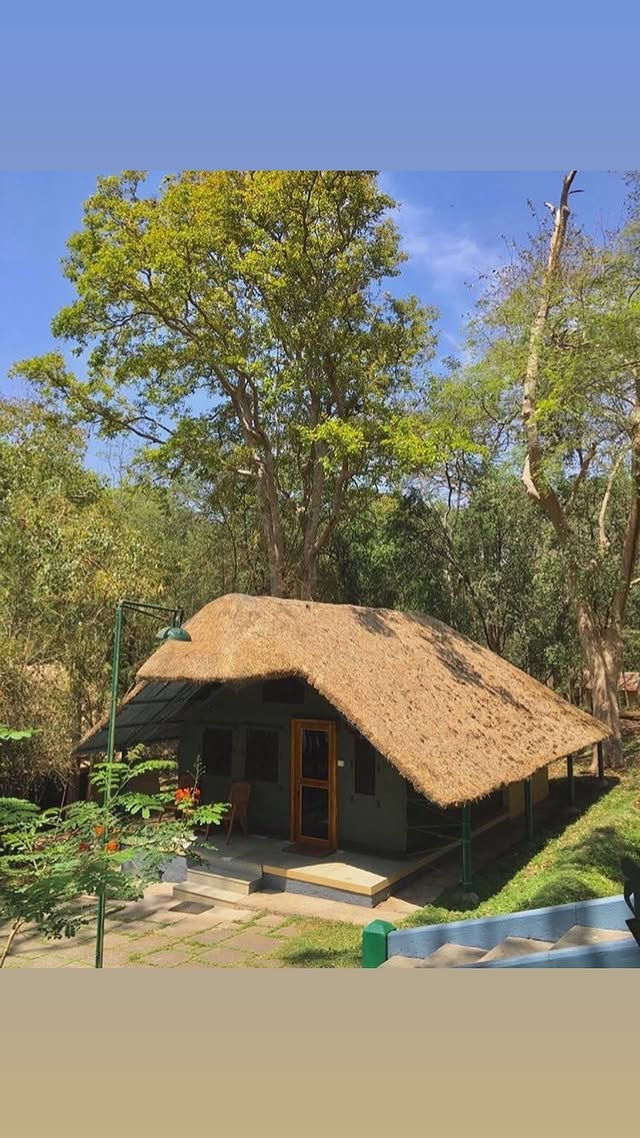
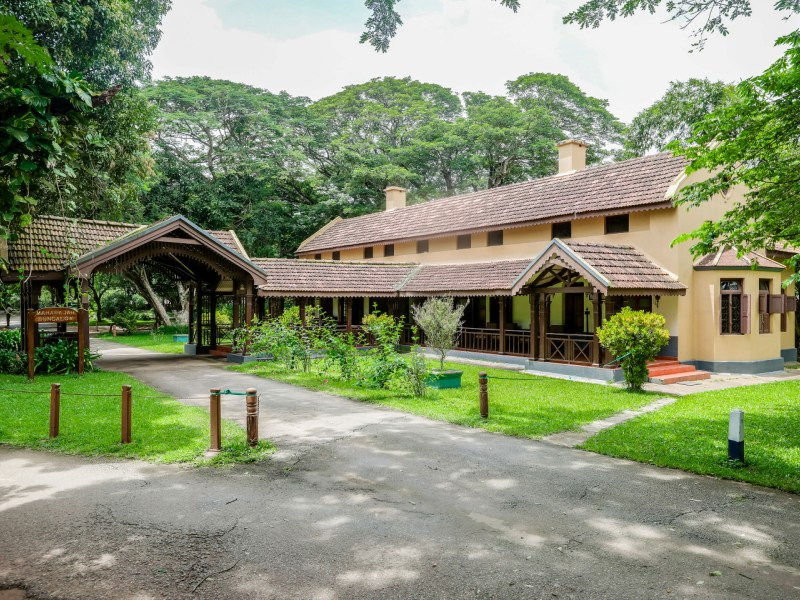


When to Visit
Kabini
Winter & Early Summer
October – February
Pleasant safari conditions with cooler mornings and evenings. The landscape remains green, mist hangs over the river, and forest birdwatching is exceptional.
Warmer Months
March – June
Warmer conditions and receding waters draw massive herds of elephants, gaur, and deer to the exposed backwater banks, significantly improving predator visibility.
Important: We'll verify the exact seasonal/zone operating details before publishing because park rules and access can change.
Things to
Know Before
Your Safari
Two Distinct Safari Formats
Safaris are split between Jeep/Canter drives through the forest zones and Boat safaris along the backwaters—both offer completely different wildlife perspectives.
Strict Forest Department Allocation
Safari zones (A or B) and vehicle types are managed and assigned directly by the Karnataka Forest Department; specific zone preferences cannot be guaranteed in advance.
Year-Round Destination
Unlike central Indian parks that close during the monsoon, Kabini remains open year-round, though lush foliage during rainy months (July–September) can make forest spotting denser.