

Discover Corbett
Located in the foothills of the Himalayas in Uttarakhand, Jim Corbett National Park is India’s oldest national park and the birthplace of Project Tiger. Its dramatic landscape of dense sal forests, riverine belts, marshy depressions, and sweeping grasslands supports an incredible wealth of biodiversity.
The reserve is globally renowned for its population of Royal Bengal tigers and wild Asian elephants, while its forests and rivers also host leopards, sloth bears, ghariyal, and over 600 species of birds. For wildlife enthusiasts and photographers, Corbett offers an immersive safari experience in one of Northern India’s most scenic and historic wildernesses.
Why Corbett?

India’s First National Park
Established in 1936 as Hailey National Park, Corbett carries a storied heritage as the pioneer of Indian conservation, offering a deep sense of history alongside wild encounters.

The Land of Roar and Trumpet
Corbett is famous for its high density of Royal Bengal tigers and large herds of wild Asian elephants, providing incredible opportunities to track both iconic species in a single reserve

Picturesque Himalayan Foothills
Framed by the outer Himalayas, the park features stunning riverfront landscapes along the Ramganga River, lush valleys, and dense sal canopies that create breathtaking backdrops for photography.
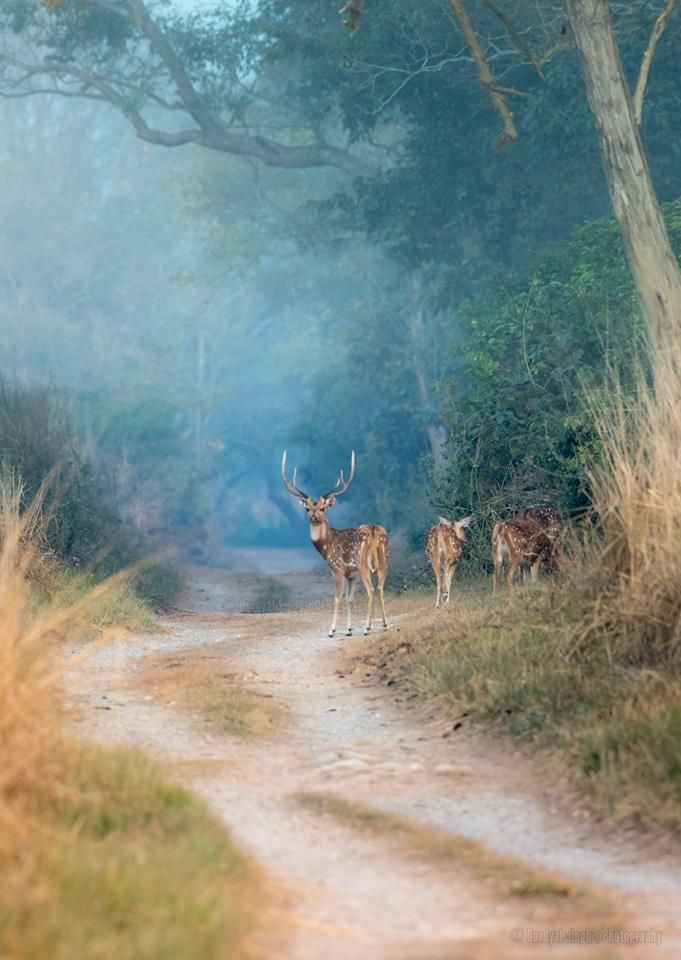
Vast & Diverse Terrain
Spanning river beds, rolling grasslands (chaur), hilly ridges, and dense woodlands, the
ecosystem provides habitats for leopards, sambar, barking
deer, ghariyal, and over 600 bird species.
Wildlife of Corbett
Mammals
Tiger, Asian Elephant, Leopard, Sloth Bear, Hog Deer, Sambar, Chital, Barking Deer, Wild Boar, Yellow-Throated Marten, Smooth-Coated Otter
Birdlife
Corbett supports a rich bird community, with over 600 species recorded in the reserve's official information, including the Ibisbill, Pallas’s fish eagle, Tawny fish owl, and Great hornbill.
Flora
Sal forests, riverine vegetation, mixed hardwood, and expansive grasslands (chaurs) dominate much of Corbett, with a diverse plant community supporting the reserve's varied wildlife habitats.
Explore Corbett Packages
THE CORBETT EXPERIENCE
More Than a Safari
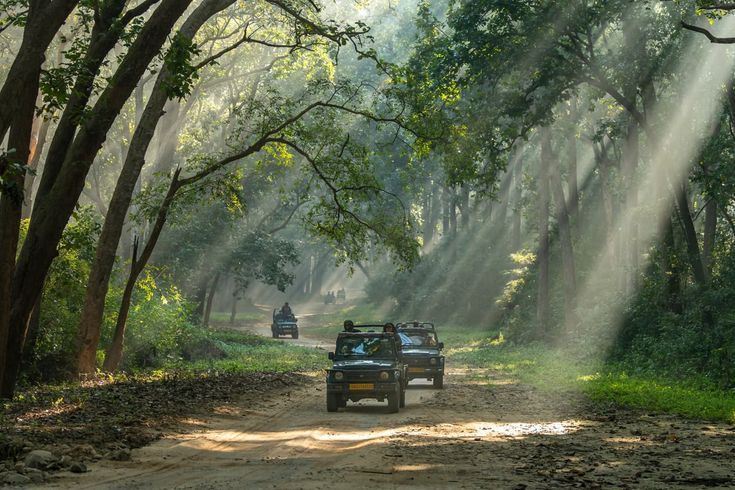
Corbett is about more than searching for a tiger. It is the anticipation of entering the forest at first light, following tracks and calls, watching the landscape come alive and experiencing wildlife in its natural surroundings.
Every safari is different. Some bring unforgettable wildlife encounters; others reward patience with smaller discoveries, striking landscapes and moments that could never be planned.


When to Visit Corbett
Winter & Early Summer
November – February
Pleasant safari conditions with cooler mornings and evenings. The landscape remains green, offering dramatic morning mist over rivers and exceptional birdwatching.
Warmer Months
March – June
Warmer conditions and progressively drier vegetation can improve visibility in many areas, although temperatures can be high.
Key Things to Remember for Corbett
Zone-Specific Booking & ID Verification
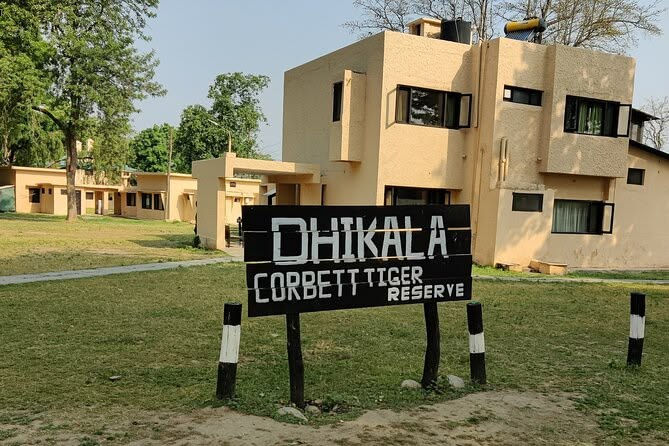
Safaris are strictly zone-specific (Dhikala, Bijrani, Jhirna, Dhela, Durga Devi), and the exact original government ID submitted during booking must be produced at the gate for entry.
Unique Forest Rest House Stays
Corbett is one of the few reserves allowing night stays inside core zones (like Dhikala). Overnight stays require advance permits, and strict curfews apply after sunset.
Strict Ban on Non-Vegetarian Food
Carrying or consuming non-vegetarian food and alcohol inside the entire reserve is strictly prohibited.
Seasonal Zone Closures
Core zones like Dhikala and Bijrani close completely during the monsoon season (typically mid-June to mid-November) due to river swells and road washouts.