

Discover Tadoba
Located in the Chandrapur district of Maharashtra, Tadoba Andhari Tiger Reserve is Maharashtra's oldest and largest national park. Its landscape of dense teak forests, bamboo thickets, smooth meadows, and perennial water bodies supports a rich diversity of wildlife.
The reserve is particularly renowned for its high tiger density and frequent sightings, while its forests also support leopards, sloth bears, wild dogs, gaurs, and a remarkable variety of birdlife. For wildlife enthusiasts and photographers, Tadoba offers an immersive safari experience in one of central India's iconic wilderness landscapes.
Why Tadoba?
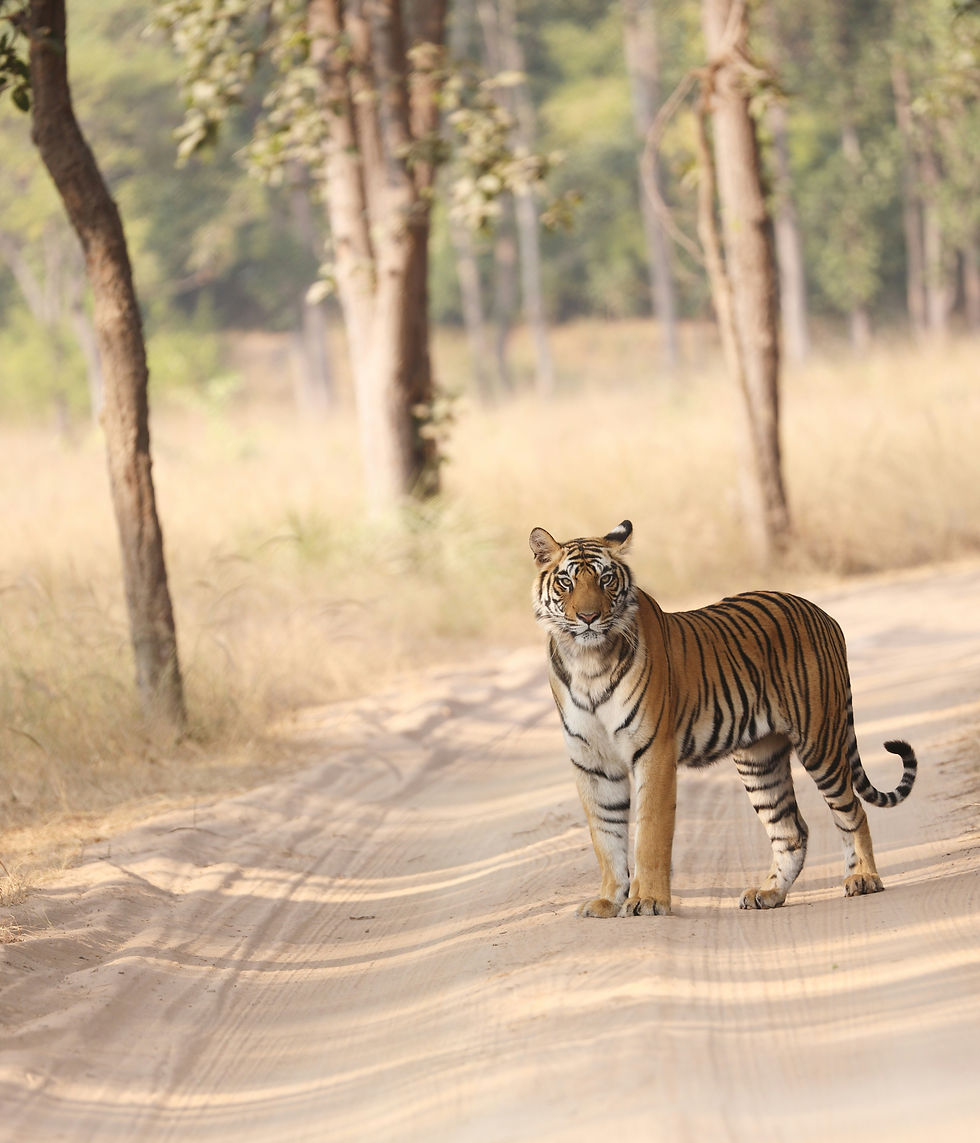
Tiger Capital of Maharashtra
Tadoba-Andhari Tiger Reserve is renowned for its high tiger
density and frequent, up-close tiger sightings, making it one of India's top big-cat destinations

Year-Round Safari Hub
Unlike many parks that close during the monsoon, Tadoba’s extensive buffer zones and select core routes remain accessible year-round, delivering exceptional wildlife viewing in every season.

Home of the Marsh Crocodile
Tadoba Lake and the surrounding Andhari river network serve as a vital aquatic habitat, famous for harbouring a thriving population of indigenousMugger
crocodiles

Vast & Diverse Terrain
Spanning rugged hills, thick
bamboo patches, and rolling grasslands, the reserve’s varied landscape provides habitats for leopards,sloth bears, wild dogs (dholes), gaurs, and over 200 bird species.
Wildlife of Tadoba
Mammals
Tiger, Leopard, Dhole / Wild Dog, Sloth Bear, Gaur, Chital, Sambar, Wild Boar, Barking Deer, Striped Hyena, Small Indian Civet
Birdlife
Tadoba supports a rich bird community, with over 200 species recorded in the reserve's official information, including grey-headed fish eagles, changeable hawk-eagles, and Indian pittas.
Flora
Teak and bamboo dominate much of Tadoba, with a diverse plant community supporting the reserve's varied wildlife habitats.
Explore Tadoba Packages
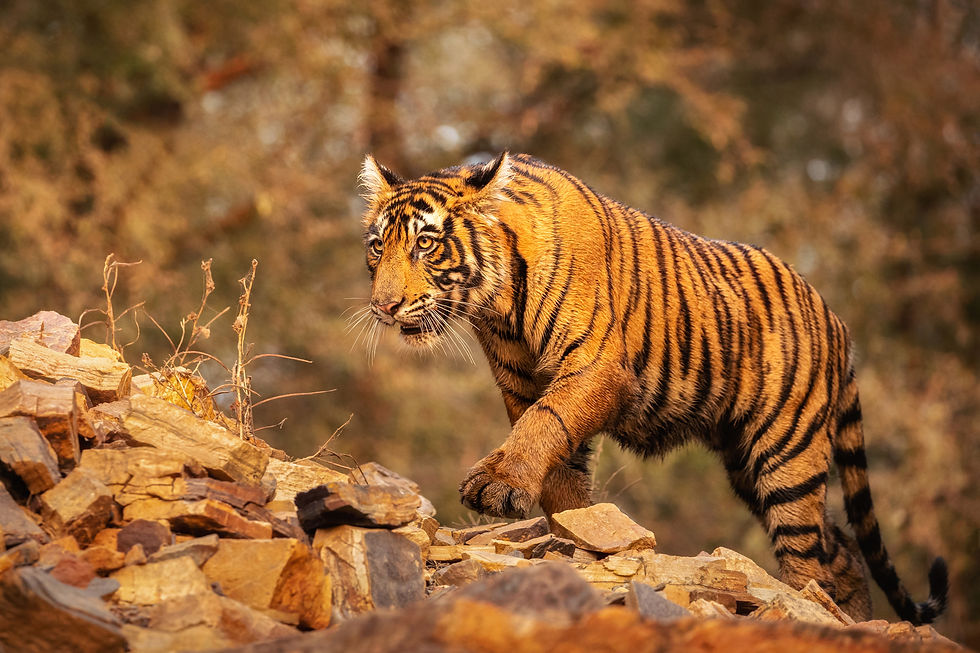
THE TADOBA EXPERIENCE
More Than a Safari
Tadoba is about more than searching for a tiger. It is the anticipation of entering the forest at first light, following tracks and calls, watching the landscape come alive and experiencing wildlife in its natural surroundings.
Every safari is different. Some bring unforgettable wildlife encounters; others reward patience with smaller discoveries, striking landscapes and moments that could never be planned.


When to Visit Tadoba
Winter & Early Summer
October – February
Pleasant safari conditions with cooler mornings and evenings. The landscape remains relatively green earlier in the season.
Warmer Months
March – June
Warmer conditions and progressively drier vegetation can improve visibility in many areas, although temperatures can be high.
Important: We'll verify the exact s
Things to Know Before Your Safari
Dress Comfortably
Choose comfortable, breathable clothing and carry an additional warm layer for early morning safaris, especially during cooler months.
Carry the Essentials
Binoculars, camera equipment, sun protection, comfortable footwear, water and personal medication.
Photography
A telephoto lens is useful for wildlife photography, while a wider lens can help capture the forest and surrounding landscape.
Be Patient
Wildlife sightings are unpredictable. The experience is about observing the forest, not simply finding a tiger.
Respect the Forest
Follow safari rules, maintain silence around wildlife and never attempt to influence animal behaviour for photographs.